
There's a saying among the elders of Madhya Pradesh: rivers like the Ganga are worshipped from the banks, but the Narmada is worshipped by walking beside her, for thousands of kilometres, until she becomes part of you. That walk is the Narmada Parikrama, and it's one of the oldest, most demanding, and most spiritually rich pilgrimages still practiced in India today.
If you've heard people talk about it in hushed, reverent tones, or seen photographs of saffron-clad pilgrims walking barefoot along river banks, this blog will help you understand where the tradition comes from, why it matters, and what it actually takes to complete a narmada parikrama.
Parikrama literally means "circumambulation" — walking around something sacred while keeping it on your right side. In this case, the "something" is an entire river. Pilgrims begin at any point along the Narmada, walk along one bank all the way to the source, cross over, and walk back down the other bank to their starting point, without ever crossing the river itself except at the very beginning and end.
It's not a symbolic walk around a temple courtyard. This is a real, physical journey along nearly 2,600 kilometres of riverbank, through forests, villages, and remote stretches of central India. Traditionally, a narmada parikrama is completed entirely on foot, though today people also attempt shorter or supported versions using vehicles.
The origins of Narmada Parikrama are woven into mythology as much as history. The Narmada is believed to have emerged from the sweat of Lord Shiva, making her one of the few rivers considered a direct manifestation of the divine rather than a deity who descended from the heavens, as is said of the Ganga.
Ancient texts, including sections of the Skanda Purana and the Matsya Purana, describe the sanctity of the river and speak of the Narmada Parikrama as a spiritual observance capable of washing away lifetimes of karma. For centuries, sadhus, wandering monks, and devout householders have undertaken this journey, often taking anywhere between three months to three years to complete it, depending on how much time they pause at ashrams, temples, and riverside villages along the way.
What makes the tradition remarkable is its continuity. Unlike many ancient pilgrimages that faded or changed drastically, the narmada parikrama has been passed down almost unchanged — same route, same rituals, same reverence — for well over a thousand years. Even today, local communities along the river banks continue an old custom of feeding and sheltering parikrama pilgrims, a practice believed to bring merit to the host as much as the traveller.
There are a few reasons the Narmada holds such a special place in Hindu tradition, and they go beyond mythology.
She flows in reverse. While most major rivers in India flow from west to east, the Narmada flows from east to west, cutting through the Vindhya and Satpura ranges before emptying into the Arabian Sea. This unusual westward flow, especially visible near Nemawar in a section called Uttarvahini Narmada Parikrama, is considered particularly powerful for spiritual practice, since "uttarvahini" refers to a north-facing bend in the river that pilgrims consider especially auspicious.
Her stones are worshipped, not just her waters. The Narmada is one of the only rivers in the world whose pebbles — called Narmadeshwar or Bana Lingams — are worshipped directly as a form of Shiva, without needing to be consecrated by a priest first. This is a rare distinction in Hindu ritual practice.
She is older than settlement itself. Geological and archaeological studies suggest the Narmada valley has supported human life for hundreds of thousands of years, and fossil evidence found along her banks has made the region significant to researchers studying early human history in India.
She purifies by proximity. Unlike many sacred sites where you must perform a specific ritual to receive blessings, tradition holds that simply living along the Narmada, bathing in her, or walking beside her during a narmada parikrama is enough to cleanse the mind and spirit over time.
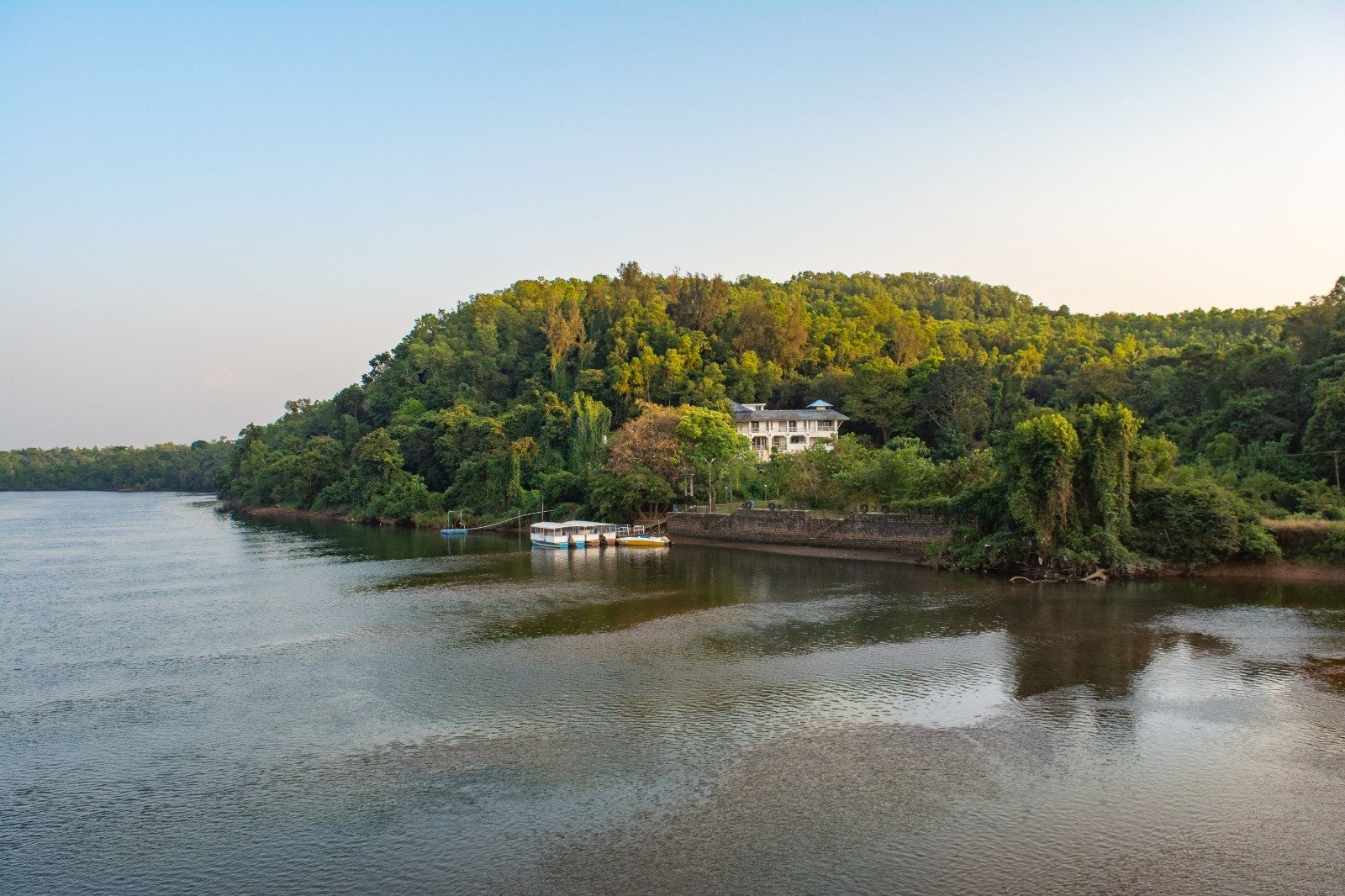
The Narmada Parikrama isn't just a long walk — it comes with a defined code of conduct that pilgrims are expected to follow. These rules exist to keep the journey disciplined, humble, and safe.
Keep the river on your right. This is the single non-negotiable rule that defines a parikrama. You walk along one bank with the river on your right side the entire way, only crossing at the start (usually to begin the return leg) and never in between.
Never turn back once you begin. Traditionally, once you start the parikrama, you're expected to complete it. Turning back midway or skipping ahead using a vehicle (in the traditional, strict version) is considered a break in the spiritual discipline.
Bathe in the river daily. Most pilgrims bathe in the Narmada each morning before continuing their walk, treating it as both a physical necessity and a spiritual ritual.
Accept only what is offered. Pilgrims are traditionally not supposed to beg or demand food and shelter. Instead, they accept hospitality that is offered voluntarily by villagers and ashrams along the route — a system that has sustained the tradition for centuries.
Maintain celibacy and simplicity during the journey. Many pilgrims observe strict discipline around diet, speech, and personal conduct, treating the entire parikrama as an extended period of penance and devotion.
Carry minimal belongings. A change of clothes, a water vessel, a walking stick, and basic essentials are usually all a traditional pilgrim carries — nothing more.
These days, several organised groups and travel operators run supported versions of the journey. You'll find options like a narmada parikrama by foot for purists who want the traditional walking experience, alongside a narmada parikrama by bus or narmada parikrama by car for people with limited time or physical constraints. These modern variations don't always follow every classical rule, but they still let people experience the route, the temples, and the riverside culture that make the parikrama special — including popular shorter circuits like the omkareshwar parikrama, which covers a smaller, more manageable stretch around the sacred town of Omkareshwar.
Can I do the parikrama in parts, rather than all at once? Yes, and many people do. It's common to complete different stretches of the narmada parikrama over separate trips, spread across a few years, rather than attempting the whole route in one go.
Is it safe for solo travellers or elderly pilgrims? The traditional route on foot demands decent physical fitness, which is why families with elderly members often prefer the road-based version instead. Organised groups also add a layer of safety, especially for solo travellers doing it for the first time.
Do I need any special permission to begin? For the full traditional route, no central registration exists yet, though carrying an ID is advisable. The Uttarvahini stretch in Gujarat is the exception, where registration is now compulsory for 2026.
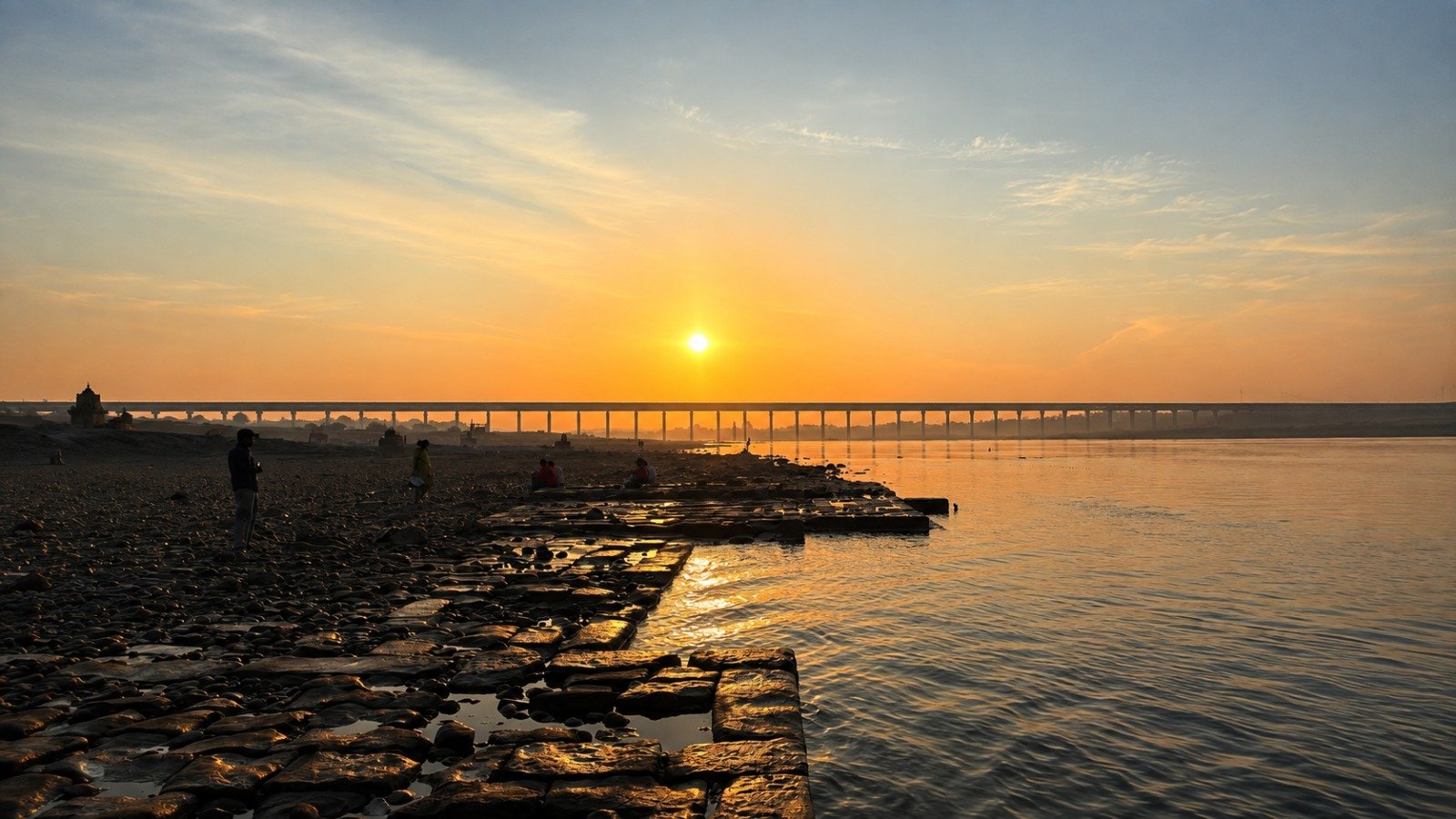
Whether you're planning the full traditional route or a shorter supported version, preparation matters. This isn't a casual weekend trip.
Decide on your format first. A full narmada parikrama walking days count can stretch anywhere from 90 days to over a year for those doing it entirely on foot. If that's not feasible, look into vehicle-supported options, but understand that the pace, cost, and experience will differ significantly from the walking version.
Build physical stamina in advance. Even a partial walking parikrama involves covering long distances daily, often on uneven terrain. Start walking regularly weeks or months before you go, and break in your footwear properly.
Pack light but smart. Comfortable, weather-appropriate clothing, a sturdy pair of shoes, a refillable water bottle, basic medication, and a small bag are usually enough. Traditional pilgrims deliberately avoid excess baggage.
Plan around the season. Most pilgrims avoid the peak of monsoon, when river levels rise and paths become difficult, and the harshest months of summer. Winter and early spring are generally considered the most manageable times to walk.
Research your route and stops. Whether you're going independently or with an organised group, know which towns, ashrams, and temples fall along your path. Many travellers rely on established local operators for logistics, and it's worth checking reviews of trusted names in narmada parikrama travels before booking anything, especially if you're opting for a vehicle-supported journey.
Understand the costs involved. If you're not walking, pricing varies quite a bit. A narmada parikrama by bus cost is generally more budget-friendly and suits group travel, while a narmada parikrama by car cost tends to be higher but offers more flexibility and comfort for smaller groups or families.
Mentally prepare, not just physically. Many people describe the parikrama as much an inner journey as an outer one. Long stretches of walking in silence, staying with strangers, and living simply for weeks or months can be as demanding emotionally as it is physically.
The Narmada Parikrama isn't just a pilgrimage route — it's a living tradition that connects modern travellers to a practice thousands of years old. Whether you choose to walk the entire way as sadhus have for centuries, or take a shorter, supported route to experience a piece of it, understanding the history, the sacredness of the river, and the rules that shape the journey will make the experience far more meaningful.
At Pravaah, we believe every journey along the Narmada deserves to be undertaken with the right knowledge, respect, and preparation — because this river doesn't just carry water, she carries centuries of devotion.