
In simple words, it means circling the entire length of the Narmada River, on foot or partly by vehicle for Narmada Parikrama, starting from one bank and returning via the other. The river is treated as a living goddess in this part of India, and unlike most sacred rivers where a ritual dip is considered essential, her darshan alone is believed to be enough to cleanse a devotee. That belief is exactly why thousands of people undertake a narmada parikrama every year — some walking the entire stretch, others choosing shorter, more manageable versions of the same pilgrimage.
In simple words, it means circling the entire length of the Narmada River, on foot or partly by vehicle, starting from one bank and returning via the other. The river is treated as a living goddess in this part of India, and unlike most sacred rivers where a ritual dip is considered essential, her darshan alone is believed to be enough to cleanse a devotee. That belief is exactly why thousands of people undertake a Narmada parikrama every year — some walking the entire stretch, others choosing shorter, more manageable versions of the same pilgrimage.
This is probably the question we hear most often, and honestly, there's no single answer — it depends entirely on how you choose to do it.
On foot, the traditional way: A full parikrama on foot covers roughly 2,600 to 3,800 kilometres, depending on the exact route pilgrims follow along both banks. Most people walking the whole distance take somewhere between three and six months to finish. Your narmada parikrama walking days will vary based on your pace, rest days at ashrams, the weather, and how many temples you stop at along the way. Some experienced pilgrims cover it faster, while others deliberately stretch their narmada parikrama walking days to soak in the experience without rushing.
By road, for those short on time: Not everyone has three to six months to spare, which is exactly why organised road trips have become so popular. A typical bus tour covering the major ghats and temples is planned over 15 to 18 days. If you're trying to work out the narmada parikrama by bus cost, organised AC packages generally fall between ₹36,000 and ₹59,000 per person, depending on the operator, hotel category, and number of days included.Travelling independently by a private vehicle works out a little more flexible in terms of timing, though the route covered stays largely the same. Costs here usually range from ₹30,000 to ₹70,000 per person, depending on the vehicle, fuel, tolls, and whether you're booking hotels or staying in ashrams and dharamshalas along the way. Either way, road-based options let you experience the same sacred sites in a couple of weeks instead of months.A quick tip if you're comparing operators: don't just look at the headline price. When people ask us about the narmada parikrama by bus cost, we always tell them to check what's actually included first — meals, entry fees, and boat crossings can quietly add up if they aren't already part of the package.So to sum it up — walking takes months, a road trip takes about two to three weeks, and your final duration always comes down to the pace you're comfortable with.
Traditionally, this pilgrimage begins at Amarkantak in Madhya Pradesh, which is also the source of the Narmada River itself. From here, pilgrims move along the South Bank, passing through Omkareshwar, Maheshwar, and several smaller towns before reaching Bharuch in Gujarat, where the river finally meets the Arabian Sea. Devotees then cross over and walk back along the North Bank, completing the full circle.
Amarkantak isn't chosen at random — it holds deep spiritual weight as the birthplace of the river, and starting the yatra here is considered the most auspicious way to begin. That said, not everyone starts from Amarkantak. Many pilgrims join midway, often from Omkareshwar, home to one of the twelve Jyotirlingas, before continuing onward as part of the larger journey.
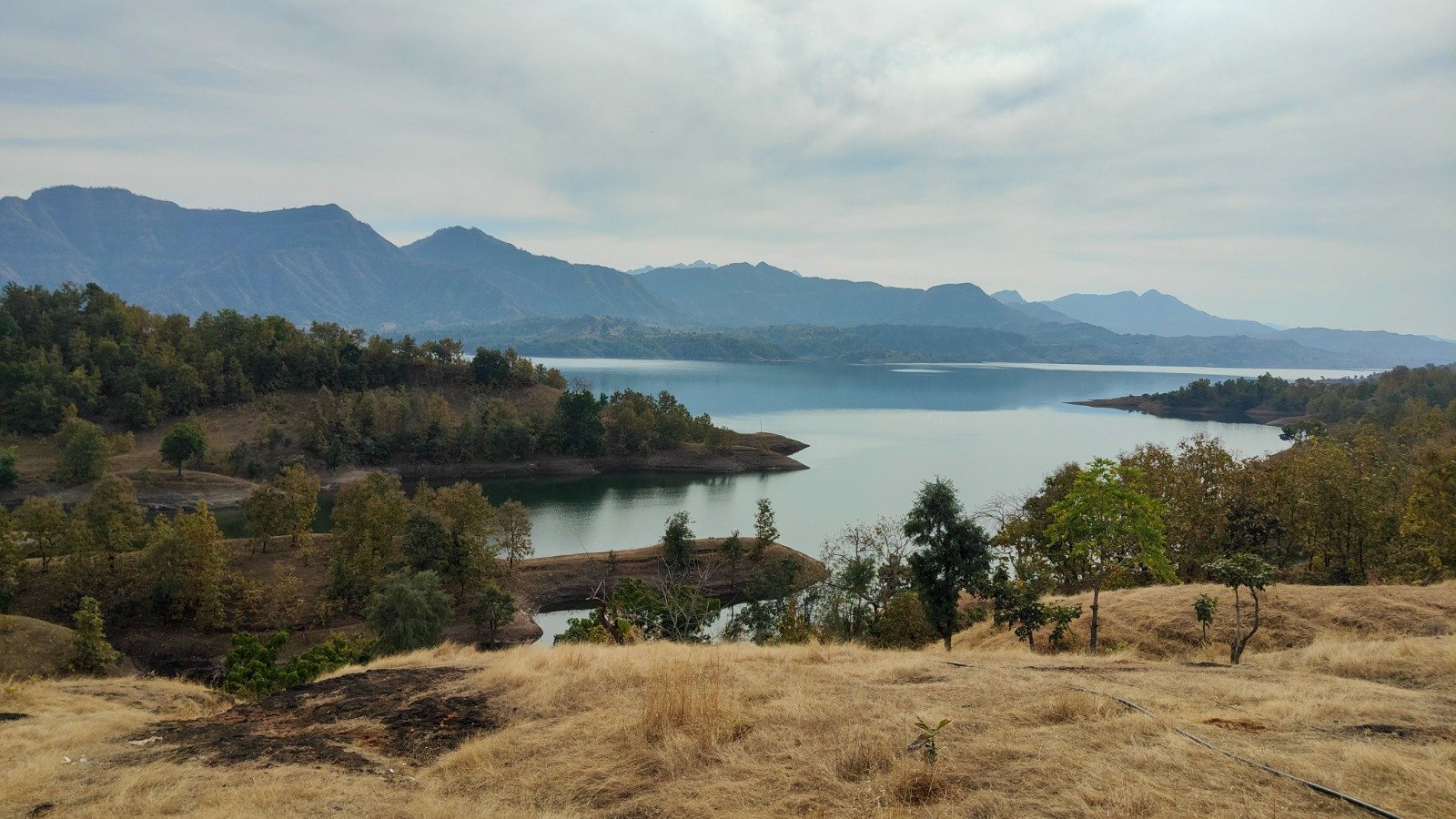
This is where things get a little specific, because the question can mean two different things depending on which yatra you're referring to.
If you're asking about the full traditional pilgrimage, there isn't a fixed start or end date — it runs through the year, though October to February remains the most preferred window because of cooler weather. Pilgrims planning a shorter version, or visiting only Omkareshwar, can also plan for March or April, provided they take proper precautions against the heat.
However, if you're asking about the uttarvahini narmada parikrama — the special stretch near Tilakwada and Rajpipla in Gujarat where the river briefly flows northward — that one does have fixed dates every year. For 2026, this uttarvahini narmada parikrama begins on 19th March and concludes on 17th April, spanning exactly 30 days. The Gujarat government, under the Gujarat Pavitra Yatra Dham Vikas Board, has also introduced mandatory digital registration this year, with QR codes and RFID wristbands issued to every pilgrim through the official yatradhamportal.gujarat.gov.in portal. So if you're planning to join this year's leg, 17th April 2026 is the last date to keep in mind, and registering early is strongly advised given how crowded the route gets each season.
There's no single "correct" way to go about it — it genuinely depends on your time, your health, and what you're hoping to get out of the journey. Walking the whole route gives you an experience that's hard to put into words, but it demands months away from routine life. Travelling by bus or car, on the other hand, lets working professionals, families, and elderly devotees experience the same sacred sites without the physical toll of walking thousands of kilometres.
Whichever way you choose, a little planning goes a long way. Check the season, know your registration requirements — especially for the Uttarvahini leg — pack light, and most importantly, go in with patience. The Narmada doesn't reveal herself in a hurry.
Can I do the parikrama in parts, rather than all at once? Yes, and many people do. It's common to complete different stretches of the narmada parikrama over separate trips, spread across a few years, rather than attempting the whole route in one go.
Is it safe for solo travellers or elderly pilgrims? The traditional route on foot demands decent physical fitness, which is why families with elderly members often prefer the road-based version instead. Organised groups also add a layer of safety, especially for solo travellers doing it for the first time.
Do I need any special permission to begin? For the full traditional route, no central registration exists yet, though carrying an ID is advisable. The Uttarvahini stretch in Gujarat is the exception, where registration is now compulsory for 2026.
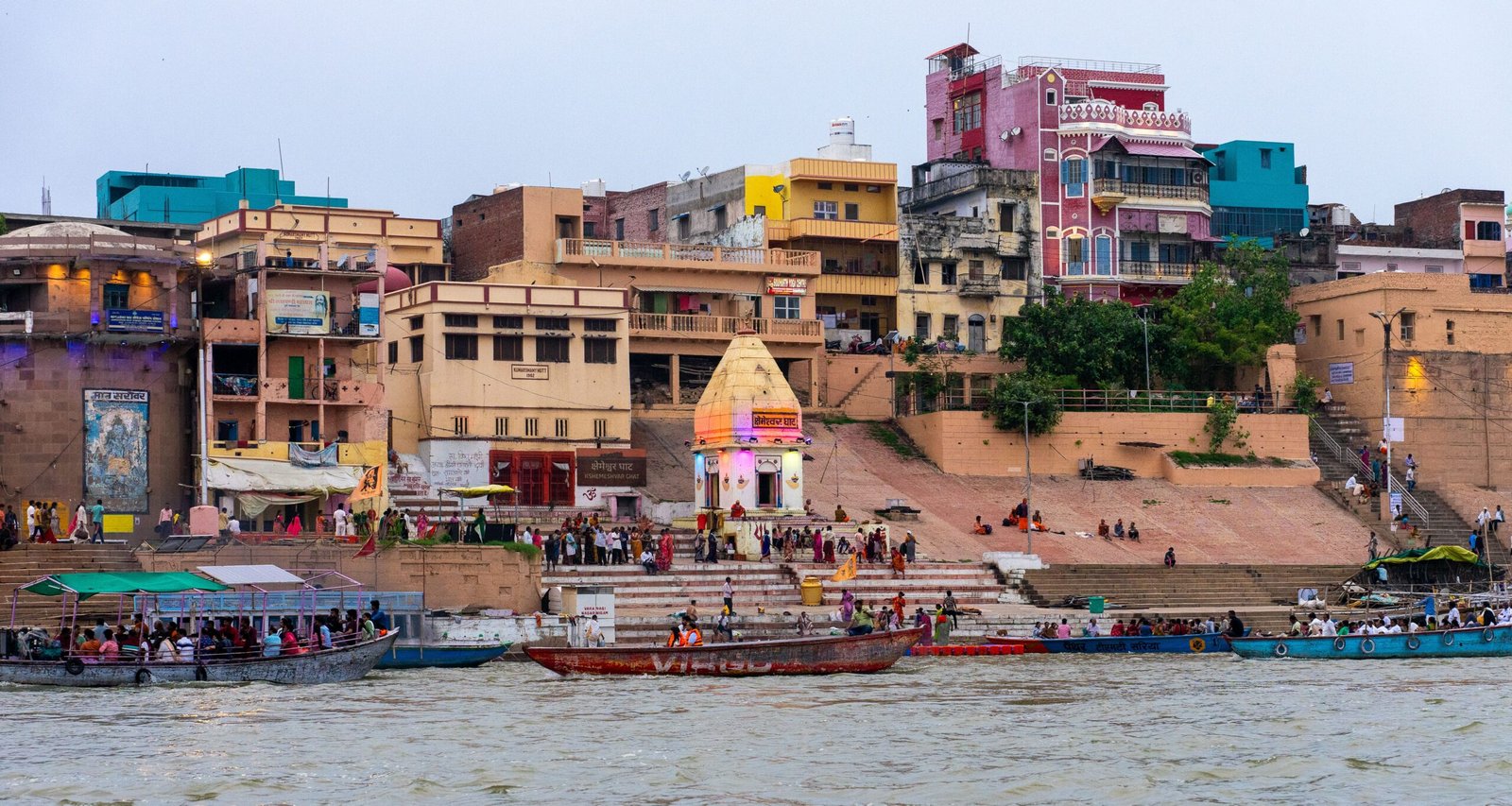
If there's one thing every Narmada devotee will tell you, it's this — the parikrama teaches you as much about yourself as it does about faith. Whether you walk it over six months or complete it in a fortnight by road, the river meets you exactly where you are.
At Pravaah, we help pilgrims plan every part of this journey — from choosing between walking and road-based options, to understanding registration for the Uttarvahini leg, to simply figuring out what to pack. If you're thinking about your own narmada parikrama this year, feel free to reach out to us — we'd be happy to help you plan it right.