
There are journeys that help you discover new places, and then there are journeys that quietly help you discover yourself. Narmada Parikrama belongs to the second kind.
Unlike holidays planned around sightseeing or pilgrimages centred on a single temple, this sacred journey unfolds along the banks of Maa Narmada—one of India's most revered rivers. Every sunrise by the water, every temple bell echoing through the ghats, every conversation with a fellow traveller becomes part of an experience that is difficult to describe until you've lived it yourself.
People often ask what makes this pilgrimage so special. Is it the ancient temples? The breathtaking landscapes? The mythology? The answer is all of these—and yet, none of them entirely. The true beauty of Narmada Parikrama lies in how it gently slows you down. It teaches patience in a world obsessed with speed and reminds you that the most meaningful journeys are rarely measured in kilometres.
Whether you're planning to undertake this sacred pilgrimage or are simply curious about its significance, this guide will help you understand why countless seekers have walked beside the Narmada for centuries.
At its heart, Narmada Parikrama is the sacred practice of circumambulating the entire River Narmada. Pilgrims begin on one bank of the river, continue until the river meets the Arabian Sea, cross only at the traditional point, and return along the opposite bank.
Unlike other river pilgrimages where devotees bathe and return home, this journey is about staying with the river. The Narmada herself is worshipped as the deity. Every bend in the river, every quiet village, and every ancient ghat becomes a place of devotion.
The route stretches across Madhya Pradesh, Maharashtra and Gujarat, passing through forests, temple towns, tribal villages and centuries-old spiritual centres that have welcomed saints, yogis and seekers for generations.
Ask someone who has completed the journey what they remember most, and chances are they won't begin with famous temples.
They'll tell you about sharing tea with villagers who insisted you stay a little longer. They'll remember the silence of an early morning aarti, the sound of birds replacing city traffic, and evenings spent watching the river flow without feeling the need to check the time.
That's the magic of the Narmada.
The journey gently strips away distractions. Somewhere between walking, praying, listening and simply being present, people often find clarity they weren't actively looking for.
Perhaps that's why devotees say that the river calls you when you're ready—not the other way around.
According to Hindu tradition, Maa Narmada is believed to have originated from Lord Shiva himself. While many rivers are considered holy because devotees bathe in them, Narmada holds a unique place in spiritual belief. It is often said that even the sight of the river brings blessings.
For centuries, sages chose her banks for meditation because of the peace they found here. Even today, many travellers describe feeling an unexpected calm while spending time beside the river.
Whether one approaches the pilgrimage with deep religious faith or simple curiosity, the experience has a way of touching everyone differently.
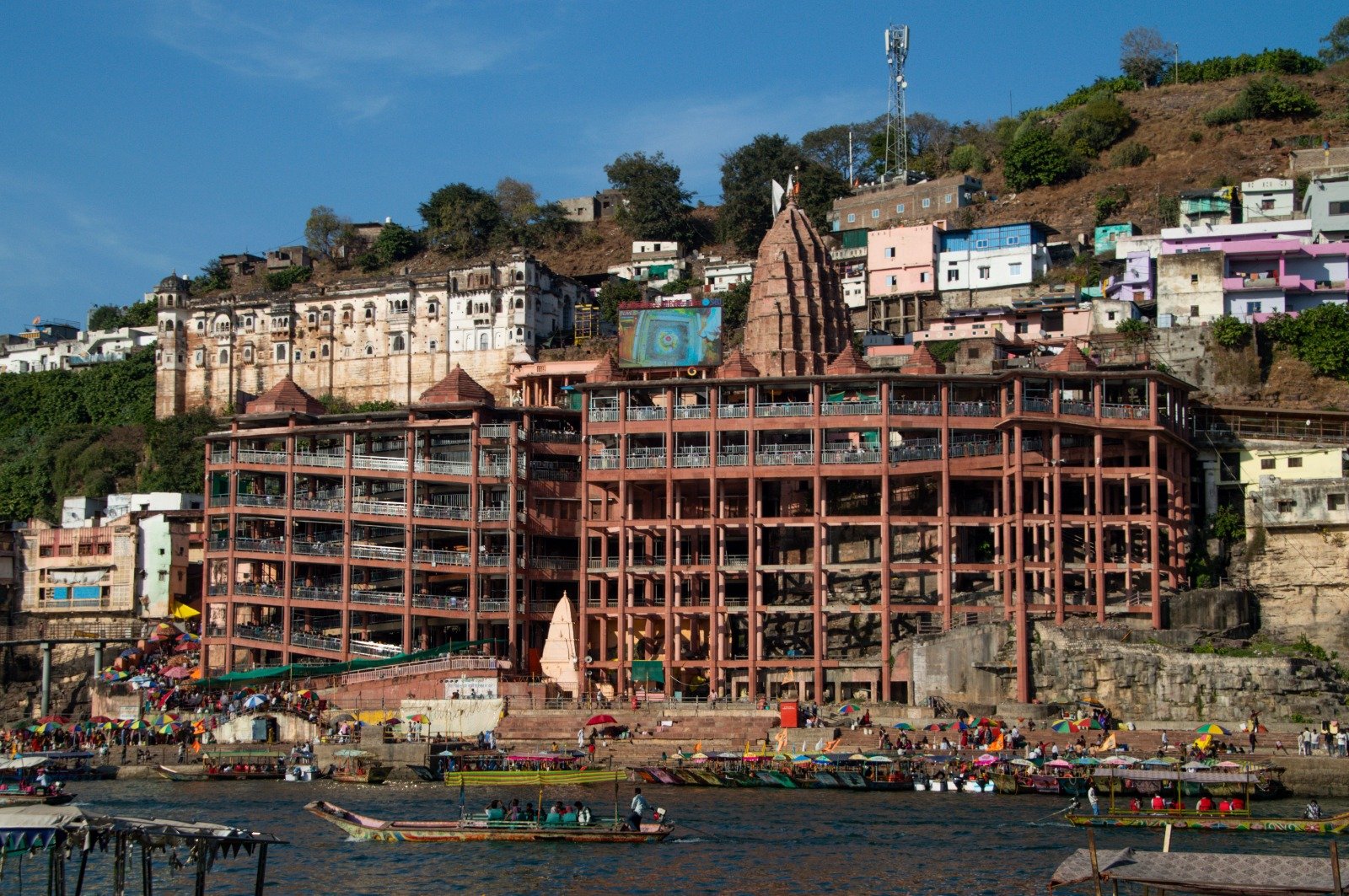
For many pilgrims, the journey begins with the Omkareshwar Parikrama. This sacred circuit around the island of Omkareshwar is much shorter than the full pilgrimage, yet deeply significant.
Home to one of the twelve Jyotirlingas of Lord Shiva, Omkareshwar offers an atmosphere where spirituality feels almost effortless. Walking through its narrow lanes, crossing the suspension bridge, listening to temple bells and watching the Narmada flow around the island creates an experience that stays with you long after you've left.
Many devotees perform the Omkareshwar Parikrama before beginning the larger pilgrimage, considering it a way of seeking blessings for the journey ahead.
Traditionally, devotees completed the pilgrimage over several months or even years. Today, modern lifestyles have introduced different ways of experiencing the river while respecting its traditions.
Some travellers choose Narmada Parikrama by foot, embracing the slower rhythm that has been followed for centuries. Walking allows pilgrims to connect deeply with local communities, spend time at lesser-known temples and experience the landscape at a pace that encourages reflection rather than rushing.
Others prefer Narmada Parikrama by car, especially when work or family commitments make longer journeys difficult. Travelling by road makes it possible to visit important spiritual destinations comfortably while still experiencing the essence of the pilgrimage.There is no single "correct" way to undertake the journey. What matters most is the intention with which you travel.
Every destination along the river has its own personality.
Amarkantak, where the Narmada begins, feels peaceful and meditative.
Maheshwar welcomes travellers with its magnificent ghats and timeless charm.
Garudeshwar offers moments of quiet reflection beside the river.
Bharuch reminds visitors that the sacred river has finally completed her journey before meeting the Arabian Sea.
Yet often, it's the unnamed villages, hidden shrines and riverside conversations that become the most treasured memories.
One of the biggest misconceptions is that this pilgrimage requires expensive equipment or elaborate planning.
In reality, simplicity is one of its greatest lessons.
Carry comfortable clothing suited to the weather, a reusable water bottle, essential medicines, sturdy footwear, and a small backpack. More importantly, carry patience.
Respect local customs. Speak kindly to the people you meet. Spend time listening instead of constantly documenting every moment through your phone.
The river has always rewarded those who arrive with humility.
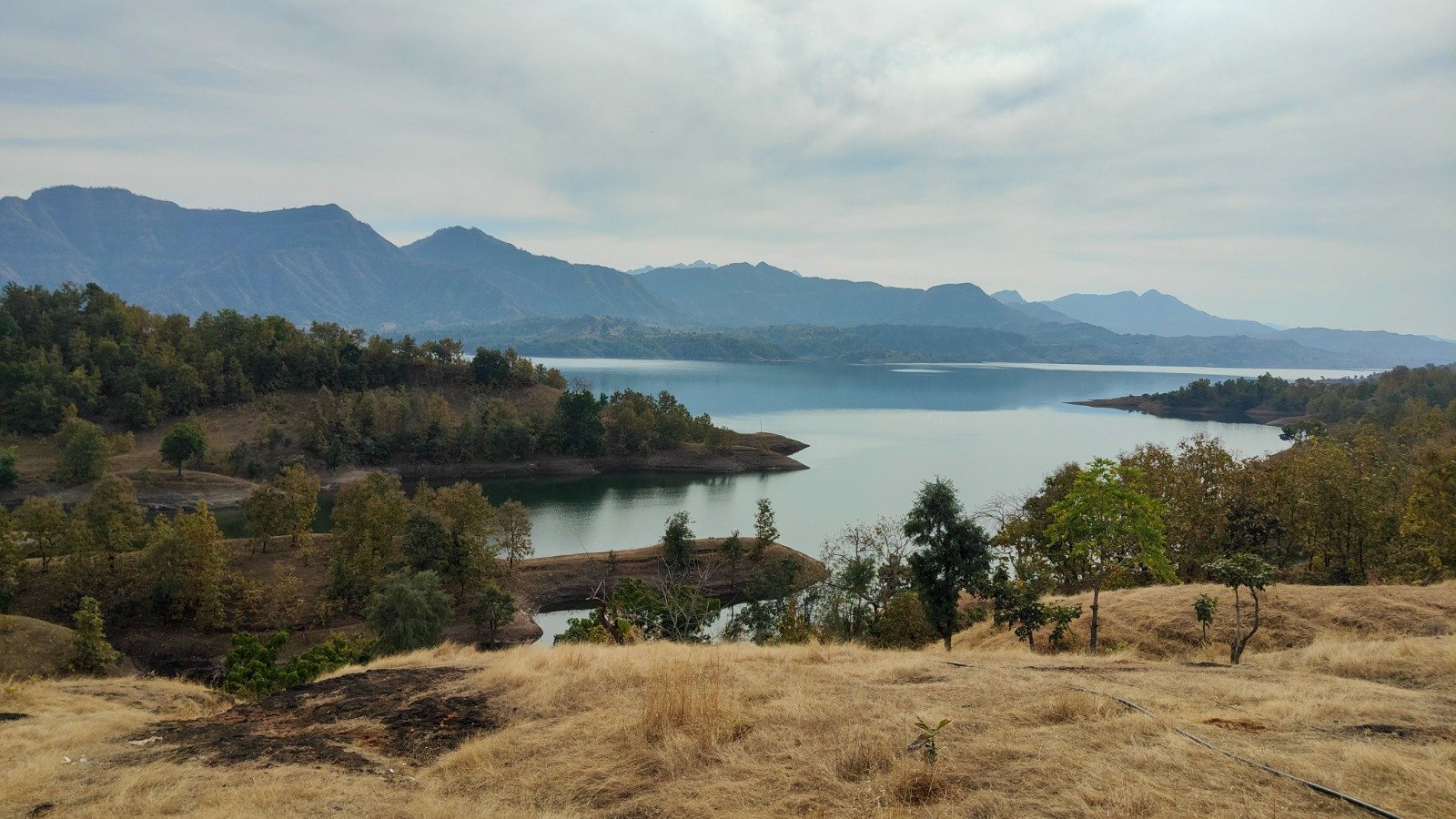
The months between October and March are generally considered the most comfortable for travelling along the Narmada.
The weather remains pleasant, riverbanks are easier to access, and spending long hours outdoors becomes enjoyable. Festivals during this period also bring many temples and ghats to life, offering visitors a glimpse into traditions that have continued for generations.
Monsoon, while breathtakingly beautiful, can make certain stretches difficult to navigate.
Most trips leave us with photographs.
This one leaves you with stories.
You'll remember the old priest who shared legends of the river without asking for anything in return. You'll remember the family that insisted you join them for a simple meal. You'll remember standing quietly beside flowing water, realizing that not every meaningful moment needs words.
That's what makes Narmada Parikrama different from ordinary travel.
It isn't about checking destinations off a list.
It's about allowing the river to set the pace.
At Pravaah, we don't believe meaningful journeys should feel rushed.
Our experiences are thoughtfully designed for travellers who wish to understand the river beyond guidebooks and itineraries. Along the way, you'll discover local traditions, riverside villages, sacred temples, untold stories and moments of silence that often become the most memorable part of the journey.
Whether you choose Narmada Parikrama by foot in its traditional spirit or prefer Narmada Parikrama by car for a more comfortable experience, our goal remains the same—to help you experience the river with respect, mindfulness and genuine curiosity.
Because in the end, the greatest souvenir from the Narmada isn't something you carry in your bag.
It's something you carry within yourself.
The Narmada has a way of changing your perspective.Every pilgrimage has a destination.
The destination of Narmada Parikrama is transformation.
Some travellers come seeking blessings. Others arrive searching for peace. Many begin without knowing exactly what they're looking for. Yet almost everyone returns with something they didn't have before—a quieter mind, a lighter heart, or simply a renewed appreciation for life's slower moments.
If the river has been calling you, perhaps this is your sign to listen.
Some journeys change your itinerary.